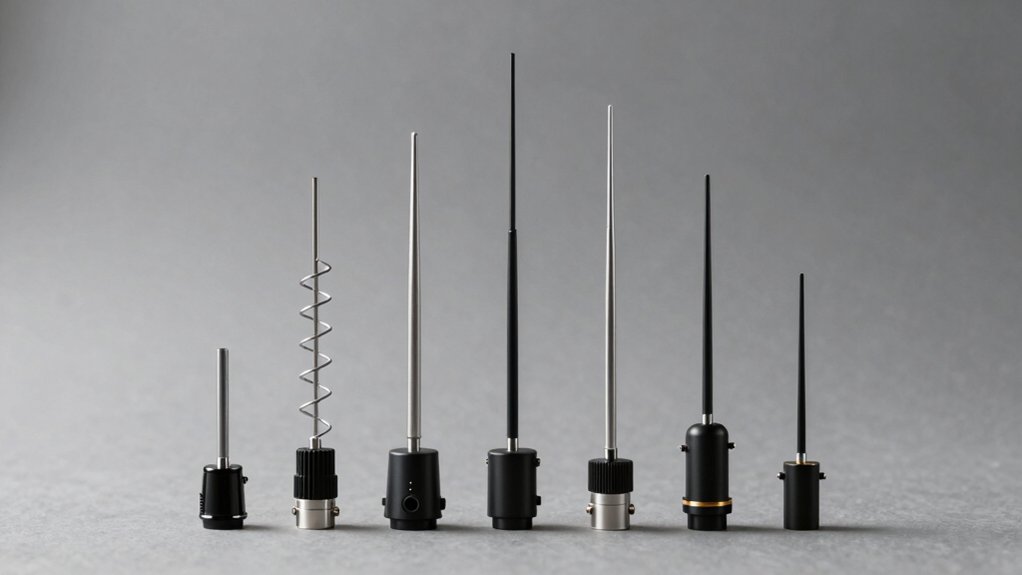
You might think all drone antennas perform equally, but they don’t. When you’re flying long-range FPV, your antenna makes the difference between maintaining solid control and losing signal. The right antenna can genuinely extend your flight capabilities and expand where you can explore. We’re breaking down seven antennas that actually deliver the range you need—and what separates the winners from the rest.
Quick Overview
- Long-range drone antennas require 5500-6000 MHz frequency compatibility to match 5.8 GHz FPV systems without signal degradation.
- Higher gain antennas extend flight range but demand precise alignment; lower gain offers omnidirectional coverage with flexible positioning.
- Connector type compatibility (SMA, RP-SMA) and 50Ω impedance matching are essential for seamless antenna integration and performance.
- LHCP and RHCP polarization matching minimizes signal interference and reflections, maximizing stable video transmission range.
- Durable ABS, aluminum, or copper construction with weatherproof design maintains consistent long-range performance across frequent outdoor flights.
| HGLRC Long Range FPV Antenna 5.8G (2-Pack) |

| Best For Long Range | Frequency Range: 5500-6000 MHz | Gain (dBi): 2.5 dBi | Connector Type: SMA/UFL | VIEW LATEST PRICE | Read Our Analysis |
| HGLRC RHCP SMA Long Range FPV Antenna (2-Pack) |

| Best Overall Value | Frequency Range: 5500-6000 MHz | Gain (dBi): 2.5 dBi | Connector Type: SMA | VIEW LATEST PRICE | Read Our Analysis |
| 5.8GHz FPV Antenna High Gain LHCP SMA (UP155L) |
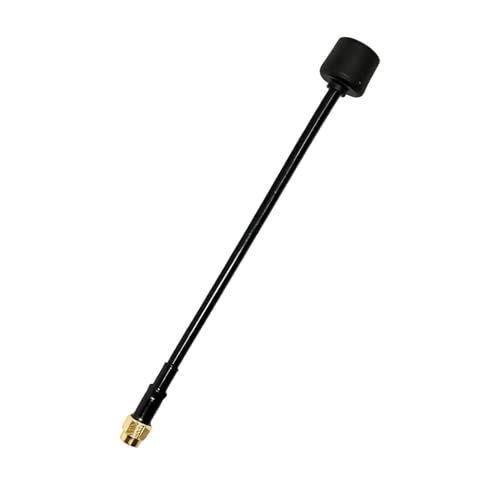
| High Performance Upgrade | Frequency Range: 5.8GHz | Gain (dBi): 2.5 dBi | Connector Type: SMA Male | VIEW LATEST PRICE | Read Our Analysis |
| 5.8GHz FPV Antenna High Gain RHCP SMA (UP155R) |

| Premium Signal Quality | Frequency Range: 5.8GHz | Gain (dBi): 2.5 dBi | Connector Type: SMA Male | VIEW LATEST PRICE | Read Our Analysis |
| 8dBi Dual Band WiFi MIMO RP-SMA Antenna |
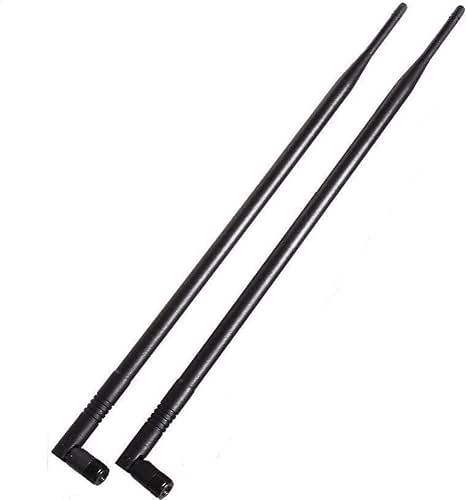
| Dual Band Versatility | Frequency Range: 2.4GHz & 5-5.8GHz | Gain (dBi): 8 dBi | Connector Type: RP-SMA Male | VIEW LATEST PRICE | Read Our Analysis |
| Skyreat 5.8Ghz Antenna Range Extender for DJI Drones |

| Best For DJI Drones | Frequency Range: 5.8GHz | Gain (dBi): Not specified | Connector Type: Not specified | VIEW LATEST PRICE | Read Our Analysis |
| SoloGood FPV Antenna 5.8G Dual RHCP SMA (2-Pack) |

| Professional Grade Option | Frequency Range: 5500-6000 MHz | Gain (dBi): 3 dBi | Connector Type: SMA | VIEW LATEST PRICE | Read Our Analysis |
More Details on Our Top Picks
HGLRC Long Range FPV Antenna 5.8G (2-Pack)
If you’re serious about extending your drone’s transmission range, the HGLRC Long Range FPV Antenna will serve you well. This 2-pack operates within the 5500-6000 MHz frequency range, delivering reliable signal transmission for extended aerial operations. The 2.5 dBi gain guarantees robust connectivity even at distance. You’ll appreciate the durable ABS radome construction with black finish, which resists environmental wear. The 50Ω input impedance and SMA connector type make integration straightforward across most UAV systems. Whether you’re flying FPV racing drones or exploring remote areas, these antennas provide the performance boost you need.
- Frequency Range:5500-6000 MHz
- Gain (dBi):2.5 dBi
- Connector Type:SMA/UFL
- Material:High-quality ABS radome
- Polarization:LHCP
- Package Quantity:2-pack
- Additional Feature:UFL connector option available
- Additional Feature:ABS radome environmental protection
- Additional Feature:Mini compact design
HGLRC RHCP SMA Long Range FPV Antenna (2-Pack)
You’ll want the HGLRC RHCP SMA Long Range FPV Antenna if you’re piloting FPV drones in the 5.8 GHz band and need reliable, consistent signal transmission. This two-pack delivers a 2.5 dBi gain across the 5500-6000 MHz frequency range, providing solid performance for extended flights. The high-quality ABS radome protects the antenna from impacts and environmental wear while maintaining durability. Its SMA connector features 50Ω input impedance, ensuring proper impedance matching with your equipment. The RHCP polarization minimizes signal loss and multipath interference, critical factors when you’re pushing your drone’s range limits.
- Frequency Range:5500-6000 MHz
- Gain (dBi):2.5 dBi
- Connector Type:SMA
- Material:High-quality ABS radome
- Polarization:RHCP
- Package Quantity:2-pack
- Additional Feature:RHCP polarization included
- Additional Feature:Black finish durability
- Additional Feature:Standard SMA connector
5.8GHz FPV Antenna High Gain LHCP SMA (UP155L)
Drone pilots who demand reliability over long distances won’t compromise on signal stability, and that’s where the UP155L excels. This 5.8GHz antenna delivers 2.5dB high gain through its pure copper core and low-loss medium, ensuring you’ll maintain clear video transmission even when pushing your range limits. The LHCP polarization minimizes signal interference, while the standard SMA male interface makes installation straightforward. You’ll appreciate its lightweight ABS duct shell construction, which withstands frequent flights without adding unnecessary weight. Whether you’re replacing worn equipment or upgrading your current setup, this antenna reduces video loss and signal interruptions considerably. Its plug-and-play design means you’ll spend less time preparing and more time flying confidently.
- Frequency Range:5.8GHz
- Gain (dBi):2.5 dBi
- Connector Type:SMA Male
- Material:Pure copper core with ABS duct shell
- Polarization:LHCP
- Package Quantity:Single
- Additional Feature:Pure copper core construction
- Additional Feature:Low-loss medium technology
- Additional Feature:Plug and play installation
5.8GHz FPV Antenna High Gain RHCP SMA (UP155R)
For FPV pilots who demand extended flight range without sacrificing signal clarity, the 5.8GHz UP155R antenna delivers high-gain transmission that effectively minimizes video loss and interference. Its RHCP polarization suppresses multipath reflections, ensuring stable real-time image transmission. The standard SMA Male interface means you’ll experience hassle-free installation on most FPV devices without adapters. Built from pure copper core and low-loss medium, this antenna resists impact and wear while maintaining durability. You’re getting plug-and-play performance that eliminates signal anxiety, allowing you to focus entirely on flying rather than troubleshooting connectivity issues or managing equipment compatibility concerns.
- Frequency Range:5.8GHz
- Gain (dBi):2.5 dBi
- Connector Type:SMA Male
- Material:Pure copper core with ABS duct shell
- Polarization:RHCP
- Package Quantity:Single
- Additional Feature:Multipath signal suppression
- Additional Feature:Pure copper core design
- Additional Feature:Tool-free installation upgrade
8dBi Dual Band WiFi MIMO RP-SMA Antenna
This 8dBi dual band antenna delivers the range and reliability you’ll need when operating FPV drones, racing quadcopters, or wireless video systems across both 2.4GHz and 5.8GHz frequencies. With its omni-directional pattern and 8dBi gain, you’ll experience consistent signal coverage in multiple directions. The package includes two antennas, giving you redundancy or dual-antenna configuration options for enhanced performance. Its RP-SMA male connector integrates seamlessly with most drone controllers, FPV monitors, and wireless transmitters. Whether you’re flying racing drones or monitoring video feeds, this antenna’s dual-band capability guarantees you won’t sacrifice range regardless of your frequency choice.
- Frequency Range:2.4GHz & 5-5.8GHz
- Gain (dBi):8 dBi
- Connector Type:RP-SMA Male
- Material:Not specified
- Polarization:Omni-directional
- Package Quantity:2-pack
- Additional Feature:Dual band 2.4/5GHz
- Additional Feature:8dBi high gain
- Additional Feature:Omni-directional coverage
Skyreat 5.8Ghz Antenna Range Extender for DJI Drones
If you’re flying a DJI Mini or Mavic series drone and want to extend your signal range by 30%-50%, the Skyreat 5.8Ghz Antenna Range Extender delivers a practical solution. This Yagi antenna design works with DJI Neo, Mini 5 Pro, Mini 4K, Mini 2, Mini 2 SE, Mini 3, Mavic Air 2, and Mavic 3 models. Built from high-quality ABS and aluminum with an anodized finish, it’s lightweight and compact for easy installation. You’ll experience stronger, more stable signal transmission and clearer real-time video feed, which greatly improves flight safety. Simply orient the antenna toward your drone’s general direction in open flying areas for ideal performance.
- Frequency Range:5.8GHz
- Gain (dBi):Not specified
- Connector Type:Not specified
- Material:High-quality ABS and aluminum
- Polarization:Not specified
- Package Quantity:Single
- Additional Feature:30-50% range increase
- Additional Feature:Yagi antenna design
- Additional Feature:Anodized aluminum construction
SoloGood FPV Antenna 5.8G Dual RHCP SMA (2-Pack)
You’ll appreciate the SoloGood FPV Antenna’s impressive 3dBi gain and extended 150mm length, which make it an excellent choice for drone pilots who demand reliable long-range performance. The dual antenna configuration provides consistent signal coverage across the 5500-6000 MHz frequency range, ensuring stable video transmission even at distance. Its RHCP polarization minimizes signal reflections and interference, while the SMA connectors offer secure, standardized connections compatible with most FPV systems. The two-pack format gives you flexibility for different drone setups or backup options. Whether you’re racing or exploring remote areas, these antennas deliver the dependable range extension serious pilots require.
- Frequency Range:5500-6000 MHz
- Gain (dBi):3 dBi
- Connector Type:SMA
- Material:Not specified
- Polarization:RHCP
- Package Quantity:2-pack
- Additional Feature:3dBi gain specification
- Additional Feature:150mm antenna length
- Additional Feature:Dual antenna configuration
Factors to Consider When Choosing a Long Range Antenna for Drone
When you’re selecting a long-range drone antenna, you’ll need to verify that the frequency range matches your equipment’s specifications and check the connector type to guarantee compatibility. You should also evaluate the gain and signal strength capabilities alongside the polarization requirements, as mismatched polarization will considerably degrade your signal quality. Finally, assess the material quality and durability, since outdoor flying conditions demand antennas constructed to endure environmental stress and preserve consistent performance over time.
Frequency Range Compatibility
One of the most critical factors in selecting a long-range antenna for your drone is guaranteeing it operates on the same frequency as your aircraft’s radio system. Most long-range antennas function within the 5500-6000 MHz range, which aligns with standard 5.8 GHz FPV drone systems.
Matching your antenna’s frequency to your drone’s operating frequency is essential for seamless integration and minimal interference. Incompatibility creates serious problems: reduced range, signal degradation, and potential loss of control—all safety concerns you’ll want to avoid.
Before purchasing, verify that your chosen antenna’s frequency range suits your specific drone model and its radio control system. This simple verification step guarantees ideal performance and reliable connectivity during flight.
Gain and Signal Strength
After confirming your antenna’s frequency compatibility, you’ll want to focus on gain and signal strength—the metrics that directly determine how far your drone can travel while maintaining a reliable connection. Higher gain antennas transmit signals over longer distances, making them ideal for extended flights. However, they come with a trade-off: narrower beam widths that require more precise alignment. Lower gain antennas provide omnidirectional coverage, giving you flexibility in positioning but sacrificing range. Your choice depends on your flying style. If you prioritize maximum distance and plan deliberate flight patterns, opt for higher gain. If you value adaptability and broader coverage angles, lower gain suits your needs better. Balance these factors against your specific mission requirements.
Connector Type Standards
Ensuring your antenna’s connector matches your drone’s receiver is just as critical as selecting the right gain, since even the best antenna won’t perform if it won’t properly attach. You’ll encounter primarily SMA and RP-SMA connectors for long-range applications, each requiring correct gender matching to function properly. MMCX and RP-MMCX options exist but remain less common in drone systems.
Beyond connector type, you’ll want to verify impedance compatibility—typically 50 ohms for drone antennas. Polarity matters too; RHCP (Right Hand Circular Polarization) and LHCP (Left Hand Circular Polarization) designations help you minimize interference and maximize signal clarity.
Don’t overlook these technical specifications. A mismatched connector wastes your investment and limits your drone’s range potential considerably.
Polarization Matching Requirements
Your antenna’s polarization must align with your drone’s transmitter and your ground station receiver to release maximum range performance. Mismatched polarization causes considerable signal degradation, limiting your effective range and video quality.
Circularly polarized antennas—RHCP (Right-Hand Circular Polarization) and LHCP (Left-Hand Circular Polarization)—are your best choice for long-range FPV operations. They enhance signal penetration and reduce multipath issues that compromise connection stability.
Proper polarization alignment directly impacts your flight reliability. It mitigates obstacles, interference, and environmental factors that typically degrade performance. When you match your drone’s transmitter polarization with your receiver’s antenna polarization, you’ll experience a more stable, consistent connection across greater distances.
Neglecting polarization matching wastes your antenna investment and restricts your operational range substantially.
Material Quality Durability
Beyond polarization alignment, you’ll want to prioritize material quality and durability when selecting a long-range antenna. High-quality materials like ABS and aluminum resist environmental factors far better than cheaper plastics, ensuring your antenna withstands harsh conditions. An anodized finish adds another protection layer, safeguarding internal components from damage and corrosion.
You’ll also benefit from lightweight yet sturdy construction that maintains structural integrity during flight without burdening your drone. Proper material selection and manufacturing processes directly impact how well your antenna performs over time. This durability becomes essential for reliable long-range operations across diverse environmental conditions—whether you’re flying in rain, extreme heat, or challenging terrain. Investing in superior materials pays dividends through consistent performance and extended antenna lifespan.
Equipment Integration Options
When you’re selecting a long-range antenna, compatibility with your existing drone equipment matters just as much as the antenna’s technical specs. You’ll need to verify that the antenna’s connector type corresponds with your controller and drone receiver. Check whether you’re using SMA, RP-SMA, or specialized connectors before purchasing.
You should also consider integration with your current transmission system. Some antennas require additional amplifiers or signal boosters, which adds cost and complexity. Others work seamlessly with standard setups, requiring only a simple connection.
Finally, examine mounting options. You’ll want an antenna that fastens firmly to your controller without obstructing your view or interfering with other components. Test the fit before committing to guarantee it enhances rather than compromises your drone operation.
Installation and Setup Ease
Once you’ve confirmed connector compatibility and integration requirements, the actual installation process becomes your next consideration. You’ll want antennas featuring plug-and-play designs or minimal tool requirements that streamline setup. Clear mounting instructions tailored to popular drone models eliminate guesswork during installation.
Lightweight, compact designs integrate seamlessly with your drone’s structure without adding unnecessary bulk. Look for versatile mounting options like adjustable brackets or adhesive pads that let you position antennas precisely for ideal signal reception. Pre-attached cables and standardized connectors further simplify the integration process, reducing potential connection errors.