You’re probably aware that selecting the right autopilot can make or break your drone’s performance. Whether you’re a hobbyist or professional, you’ll find that precision positioning and flight control aren’t luxuries—they’re necessities. But with so many options available, how do you know which systems deliver what you actually need? We’ll walk you through the top choices that industry experts rely on.
Quick Overview
- Centimeter-level positioning accuracy via RTK GPS technology enables professional surveying, mapping, and agriculture applications with precision.
- Pixhawk-based compatibility allows seamless integration with existing unmanned aircraft systems and broad ecosystem support for professionals.
- Robust flight control stabilization delivers reliable performance across demanding environments through advanced autopilot functions and compass integration.
- Multi-constellation satellite support including GPS, GLONASS, QZSS, and BeiDou ensures reliable positioning in diverse operational conditions.
- Extended flight capabilities with transmission ranges up to 6KM and durable construction guarantee professional-grade operational reliability.
| HAWK’S WORK M8N GPS Module with Bracket |

| Precision Navigation Foundation | Primary Function: GPS positioning module | Positioning/Navigation Capability: Multi-constellation GPS (50cm accuracy) | Compatibility: Standalone GPS module | VIEW LATEST PRICE | Read Our Analysis |
| Potensic ATOM 3-Axis 4K GPS Drone with Gimbal |

| Consumer-Ready All-in-One | Primary Function: Consumer 4K drone with GPS | Positioning/Navigation Capability: Enhanced GPS with return-to-home | Compatibility: Dedicated drone system | VIEW LATEST PRICE | Read Our Analysis |
| ZED-F9P RTK GPS Module High Precision GNSS | Professional RTK Solution | Primary Function: RTK GNSS positioning module | Positioning/Navigation Capability: Centimeter-level RTK accuracy | Compatibility: Multiple drone autopilot systems | VIEW LATEST PRICE | Read Our Analysis | |
| CUAV Leixun V5+ Pixhawk Flight Control Autopilot Drone |
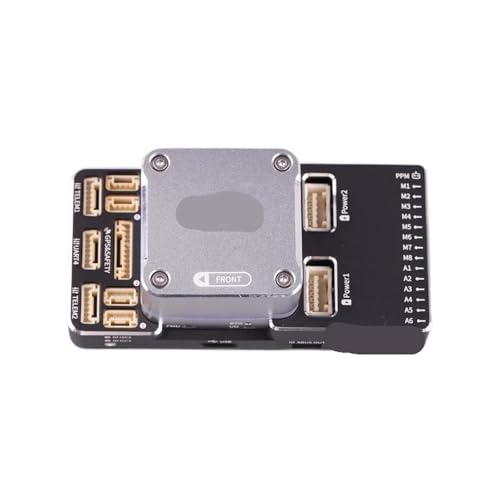
| Open-Source Flight Control | Primary Function: Flight control autopilot system | Positioning/Navigation Capability: Autopilot flight control | Compatibility: Pixhawk/fixed-wing/multirotor systems | VIEW LATEST PRICE | Read Our Analysis |
| Flying Sword RC Airplane with Autopilot & LED Lights | Best For Beginners | Primary Function: RC airplane with autopilot | Positioning/Navigation Capability: Autopilot altitude maintenance | Compatibility: Standalone RC system | VIEW LATEST PRICE | Read Our Analysis | |
| ZED-F9P GNSS Module for Drone Autopilot RTK |

| Enterprise-Grade Accuracy | Primary Function: RTK GNSS autopilot module | Positioning/Navigation Capability: Centimeter-level RTK accuracy | Compatibility: Various drone autopilot systems | VIEW LATEST PRICE | Read Our Analysis |
| Flying Sword RC Airplane with Autopilot & LED Lights | Recreational Autopilot Pick | Primary Function: RC airplane with autopilot | Positioning/Navigation Capability: Autopilot altitude maintenance | Compatibility: Standalone RC system | VIEW LATEST PRICE | Read Our Analysis |
More Details on Our Top Picks
HAWK’S WORK M8N GPS Module with Bracket
If you’re flying drones in environments where precision matters—mapping, surveying, or autonomous missions—you’ll appreciate the HAWK’S WORK M8N’s 50 cm positioning accuracy across 20+ satellites. You’re getting u-blox’s high-end UBX-M8030 chipset with 72 channels, which handles GPS, GLONASS, QZSS, and BeiDou simultaneously. The integrated QMC5883L compass uses Honeywell HMC5983 technology, ensuring reliable heading data. You’ll benefit from the 2.5dBi ceramic antenna’s robust signal reception in challenging conditions. The included bracket simplifies installation, and HAWK’S WORK backs everything with a 3-month warranty, free repairs, and technical support. This module delivers professional-grade positioning reliability.
- Primary Function:GPS positioning module
- Positioning/Navigation Capability:Multi-constellation GPS (50cm accuracy)
- Compatibility:Standalone GPS module
- Control Methods:I2C/serial interface
- Stabilization Technology:Built-in compass
- Application Use Cases:General positioning
- Additional Feature:50cm positioning accuracy
- Additional Feature:Built-in compass (QMC5883L)
- Additional Feature:Multi-system dual mode
Potensic ATOM 3-Axis 4K GPS Drone with Gimbal
You’ll find the Potensic ATOM an excellent choice for creators who prioritize lightweight portability without sacrificing performance. Weighing under 249g, this drone features a SONY CMOS sensor capturing stunning 4K/30fps video with a 3-axis gimbal ensuring smooth footage. The PixSync 3.0 transmission technology delivers reliable control up to 6KM, while enhanced GPS capabilities provide precise positioning and return-to-home functionality. You’re getting 96 minutes total flight time across three batteries, plus QuickShots automation including Boomerang and Circle modes. With firmware FOTA support and included 64GB storage, you’ve got everything needed for professional-grade aerial content creation.
- Primary Function:Consumer 4K drone with GPS
- Positioning/Navigation Capability:Enhanced GPS with return-to-home
- Compatibility:Dedicated drone system
- Control Methods:Remote control only
- Stabilization Technology:3-axis gimbal and GPS stabilization
- Application Use Cases:Aerial photography/videography
- Additional Feature:4K/30fps video capability
- Additional Feature:96 minutes total flight time
- Additional Feature:6KM transmission range
ZED-F9P RTK GPS Module High Precision GNSS
Professional RTK Solution
View Latest PriceThe ZED-F9P RTK GPS Module delivers centimeter-level positioning accuracy—making it’s the ideal choice for drone operators who demand precision in surveying, mapping, and autonomous navigation tasks. You’ll appreciate its Real-Time Kinematic technology, which continuously refines your drone’s location data for unmatched reliability. Its wide compatibility works seamlessly with most autopilot systems, so you won’t face integration headaches. The robust construction guarantees consistent performance across demanding environments and challenging conditions. Whether you’re conducting professional surveys or executing complex autonomous missions, you’ll find this module’s easy setup process gets you airborne quickly while maintaining the precision standards professionals expect and require.
- Primary Function:RTK GNSS positioning module
- Positioning/Navigation Capability:Centimeter-level RTK accuracy
- Compatibility:Multiple drone autopilot systems
- Control Methods:Autopilot integration
- Stabilization Technology:RTK technology
- Application Use Cases:Surveying, mapping, agriculture
- Additional Feature:Centimeter-level RTK positioning
- Additional Feature:Wide autopilot system compatibility
- Additional Feature:Real-time kinematic technology
CUAV Leixun V5+ Pixhawk Flight Control Autopilot Drone
Open-source drone enthusiasts and commercial operators alike will find the CUAV Leixun V5+ a versatile autopilot solution that seamlessly integrates with both Pixhawk-based systems and existing unmanned aircraft setups. You’ll appreciate its broad compatibility spanning fixed-wing planes, multirotor drones, and various aircraft configurations. The autopilot delivers stable flight control through advanced stabilization functions that enhance your operational reliability. You can deploy it across hobbyist projects and professional applications without compatibility concerns. Whether you’re upgrading an existing platform or building from scratch, you’re getting robust autopilot performance that doesn’t compromise on ease of integration or system flexibility.
- Primary Function:Flight control autopilot system
- Positioning/Navigation Capability:Autopilot flight control
- Compatibility:Pixhawk/fixed-wing/multirotor systems
- Control Methods:Autopilot-based
- Stabilization Technology:Stable flight control
- Application Use Cases:Commercial/hobbyist UAV operations
- Additional Feature:Pixhawk open-source compatibility
- Additional Feature:Multiple aircraft type support
- Additional Feature:Commercial PIX4 integration
Flying Sword RC Airplane with Autopilot & LED Lights
Best For Beginners
View Latest PriceIf you’re seeking an autopilot that combines beginner-friendly technology with eye-catching appeal, the Flying Sword RC Airplane stands out. You’ll appreciate its sleek sword-shaped design that enhances aerodynamics for stable gliding. The autopilot maintains altitude automatically, preventing crashes while you’re learning. You can choose between hand gesture control or remote operation depending on your preference. You’ll enjoy performing one-button 360° flips across three speed levels, from gentle glides to aggressive stunts. Built-in LED lights keep you flying into the evening, making this airplane ideal for both daytime and nighttime sessions. It’s perfect for beginners seeking accessible, reliable autopilot performance.
- Primary Function:RC airplane with autopilot
- Positioning/Navigation Capability:Autopilot altitude maintenance
- Compatibility:Standalone RC system
- Control Methods:Hand gesture and remote control
- Stabilization Technology:Autopilot altitude hold
- Application Use Cases:Recreational flying
- Additional Feature:Hand gesture control mode
- Additional Feature:360° one-button stunts
- Additional Feature:Built-in LED night lights
ZED-F9P GNSS Module for Drone Autopilot RTK
For professionals demanding centimeter-level accuracy across surveying, mapping, and agricultural applications, you’ll find the ZED-F9P GNSS Module delivers exceptional RTK performance. This advanced module integrates seamlessly with your existing drone autopilot systems, supporting multiple GNSS constellations for global coverage and guaranteed reliability. You’ll appreciate its robust performance even in challenging environmental conditions where standard positioning fails. The module’s multi-constellation architecture verifies you maintain precise positioning worldwide, making it indispensable for professional operations requiring dependable centimeter-level accuracy in any setting.
- Primary Function:RTK GNSS autopilot module
- Positioning/Navigation Capability:Centimeter-level RTK accuracy
- Compatibility:Various drone autopilot systems
- Control Methods:Autopilot-based
- Stabilization Technology:RTK technology
- Application Use Cases:Surveying, mapping, agriculture
- Additional Feature:Centimeter-level accuracy achievement
- Additional Feature:Multiple GNSS constellation support
- Additional Feature:Challenging environment reliability
Flying Sword RC Airplane with Autopilot & LED Lights
Recreational Autopilot Pick
View Latest PriceThe Flying Sword RC Airplane stands out as an excellent autopilot choice for beginners and younger pilots who want stable, hands-free flight without the complexity of traditional aircraft controls. You’ll appreciate its automatic altitude maintenance and stable flight capabilities, which handle the heavy lifting while you enjoy piloting. The foam and ABS construction keeps it lightweight at four pounds, making it durable for learning. You can switch between three stunt speeds and toggle between hand gesture or remote control modes depending on your preference. The integrated LED lights extend your flying sessions into evening hours, and its 360° flip capability adds excitement to your flights.
- Primary Function:RC airplane with autopilot
- Positioning/Navigation Capability:Autopilot altitude maintenance
- Compatibility:Standalone RC system
- Control Methods:Hand gesture and remote control
- Stabilization Technology:Autopilot altitude hold
- Application Use Cases:Recreational flying
- Additional Feature:Foam + ABS construction
- Additional Feature:Recommended age 6+
- Additional Feature:18 x 37.5 x 4cm
Factors to Consider When Choosing an Autopilot for Drones
When you’re selecting an autopilot system, you’ll need to verify it’s compatible with your aircraft’s specifications and assess whether its positioning accuracy meets your mission requirements. You should also evaluate how the system maintains flight control stability in your typical operating conditions and consider the integration complexity you’re willing to manage. Finally, you’ll want to confirm the autopilot performs reliably across the environmental conditions—temperature ranges, humidity, and altitude—where you’ll regularly fly.
Compatibility With Aircraft
Selecting an autopilot that matches your drone’s specific airframe and flight controller is essential for seamless integration and reliable performance. You’ll want to guarantee the autopilot’s weight, size, and performance specifications align with your aircraft’s capabilities for maximum stability and control.
Beyond compatibility basics, verify that the autopilot supports the flight modes you need, including waypoint navigation, return-to-home, and automated takeoff and landing. You should also confirm its sensor integration capabilities—it must interface seamlessly with your GPS, cameras, communication modules, and other peripherals.
Additionally, assess the autopilot’s GNSS support. You’ll benefit from multi-system positioning like GPS, GLONASS, and Galileo, which enhances positioning reliability and navigation accuracy across varying environments and conditions.
Positioning Accuracy Requirements
Because drone applications demand precise control and reliable navigation, you’ll need an autopilot that delivers positioning accuracy in the centimeter range. RTK technology provides this level of precision by using reference stations to correct GNSS signal errors, making it essential for critical operations.
You should prioritize systems that track multiple satellites across various constellations—GPS, GLONASS, and Galileo—to enhance accuracy and reliability. This multi-constellation approach guarantees consistent performance even when individual signals weaken.
Consider your specific mission requirements too. High-speed applications and complex maneuvers demand tighter accuracy tolerances than slower operations. Similarly, heavy payloads may necessitate more robust positioning systems.
Finally, verify your autopilot can withstand signal interference and obstructions common in challenging environments, securing dependable performance regardless of conditions.
Flight Control Stability
How well does your autopilot maintain steady flight when wind gusts strike or turbulence disrupts your drone’s trajectory? This capability directly impacts your operational safety and mission success.
You’ll want an autopilot equipped with high-performance IMUs and GPS sensors that continuously monitor your drone’s pitch, roll, and yaw. Advanced algorithms process this sensor data in real-time, automatically compensating for environmental disturbances before they affect your flight path.
The autopilot’s control parameters—specifically PID gains—determine how responsively your system corrects deviations. Properly calibrated gains guarantee stable, smooth maneuvers without oscillation or sluggish responses.
When evaluating autopilots, prioritize those offering customizable tuning options for your specific drone configuration. This flexibility lets you optimize stability across different weight distributions, airframe designs, and operating conditions, ultimately delivering the reliable performance professionals demand.
Integration Complexity
What separates a seamless autopilot installation from a frustrating integration nightmare? Integration complexity. You’ll need to evaluate how well the autopilot works with your drone’s existing components, sensors, and software. Compatible communication protocols and software interfaces are essential for smooth operation.
Consider the technical expertise required for your specific platform. Some systems demand extensive customization, while others offer straightforward setup. Firmware updates and configuration flexibility matter too—you don’t want to be locked into outdated software.
Ensure your chosen autopilot supports established standards and protocols. This compatibility lets you integrate with ground control stations and mission planning software without additional workarounds. Check vendor resources and community support availability.
Budget sufficient time and resources for integration testing before deployment.
Environmental Performance Reliability
Your autopilot’s ability to perform reliably in challenging conditions directly impacts your drone’s safety and mission success. You’ll want systems engineered to handle harsh environments—high winds, rain, and temperature extremes—without compromising performance.
Prioritize autopilots with redundant systems and fail-safe mechanisms. These features maintain stable flight when sensors or components fail, preventing costly accidents and mission failures.
Look for solutions backed by thorough testing and certification processes that validate robustness under various environmental stresses. Regular firmware updates matter too; they address bugs, patch vulnerabilities, and enhance capabilities for evolving conditions.
Real-world performance data proves invaluable. Examine field experience reports from professionals using the autopilot in conditions matching your operational requirements. This practical insight reveals how different solutions perform when it counts most.
System Cost Analysis
Three critical expenses often catch drone operators off guard: the autopilot module itself, the sensors and hardware it requires, and the hidden costs that accumulate over time. You’ll want to evaluate licensing fees, maintenance, and mandatory updates that can considerably strain your budget.
When comparing autopilot options, analyze the cost-to-performance ratio rather than focusing solely on upfront prices. You might uncover that a slightly more expensive system delivers superior value through simplified integration and reduced development time.
Don’t overlook scalability and future upgrade potential. You’ll benefit from selecting an autopilot that adapts to evolving requirements without requiring complete replacement. This forward-thinking approach protects your investment and guarantees your system remains cost-effective as your drone operations grow and change.